
Open the three matching villa examples
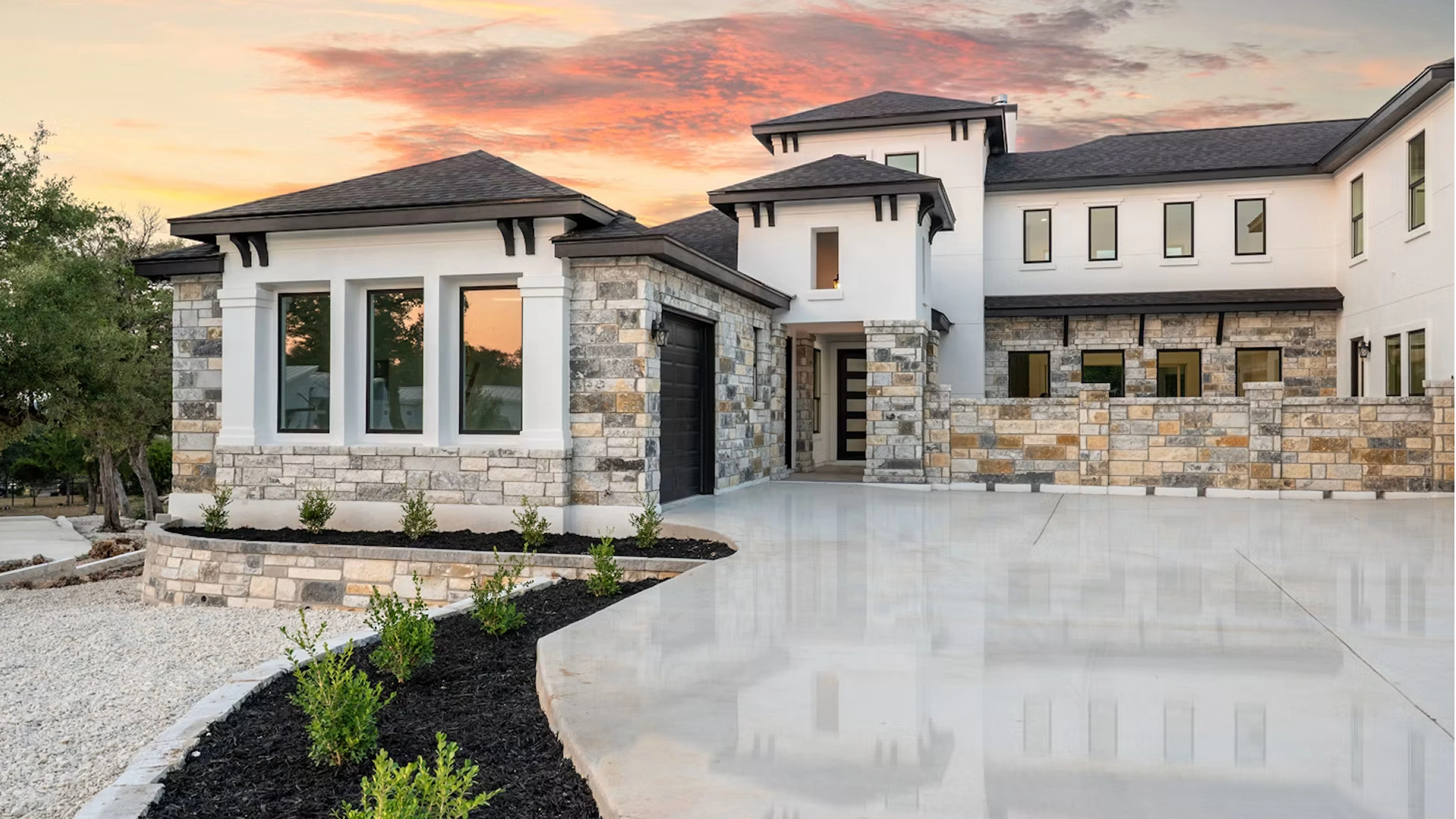 Luxury villa · 16:9 Landscape presentation with the greatest horizontal room and facade context.
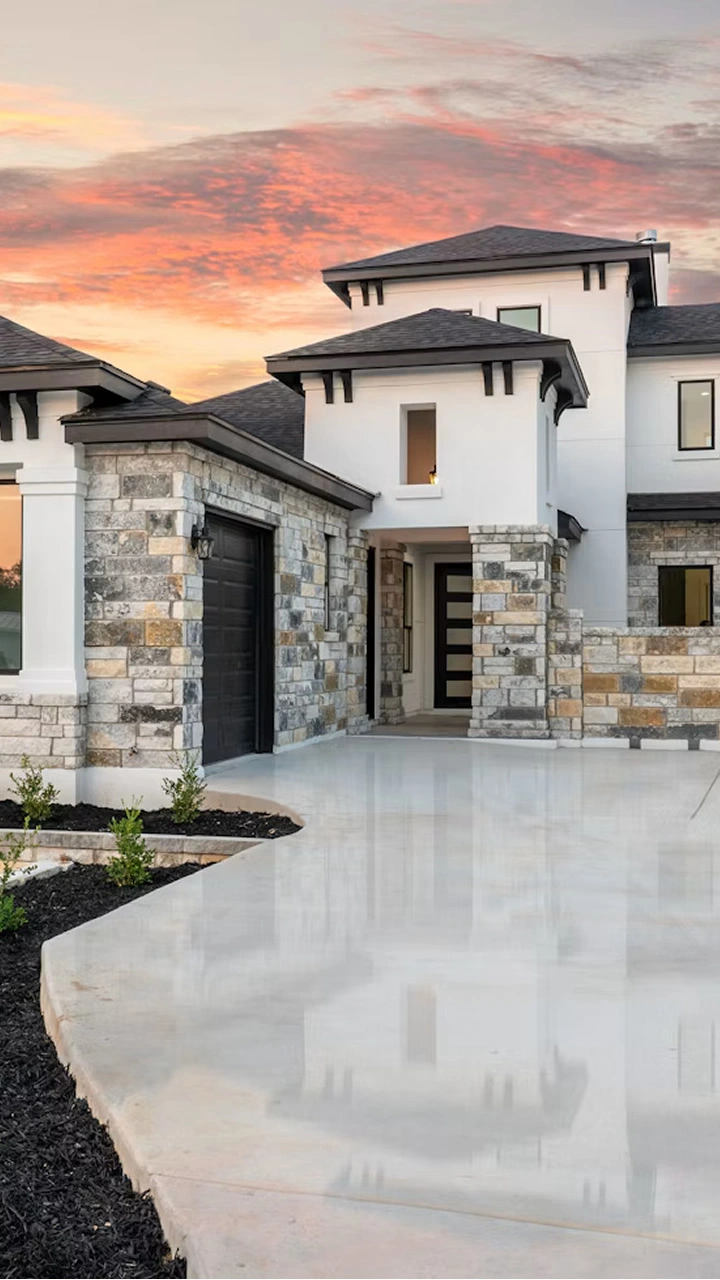 Luxury villa · 9:16 Vertical presentation built for a full-height mobile screen.
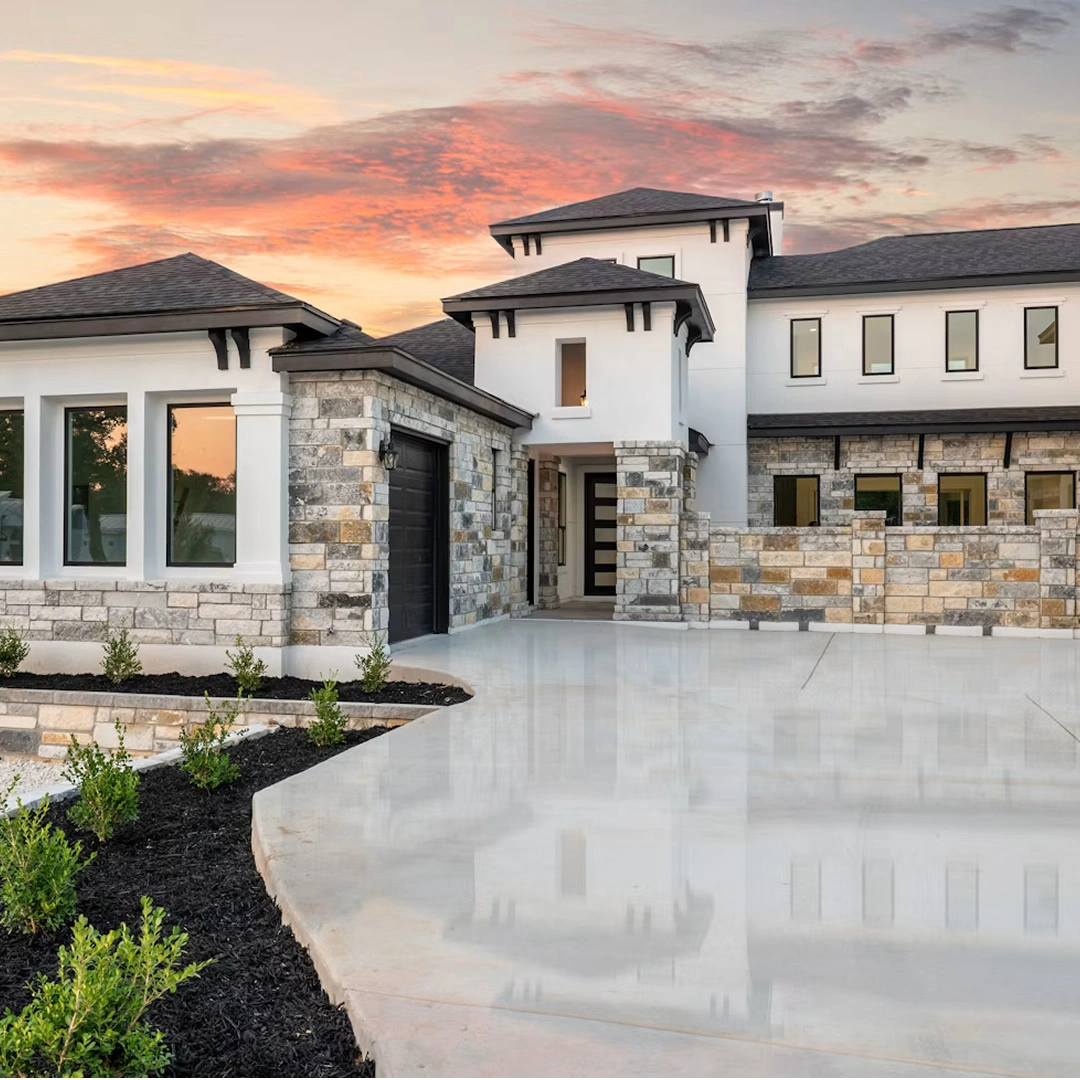 Luxury villa · 1:1 Square presentation that keeps a balanced social-feed frame.
Why luxury listings expose framing mistakes quickly
Luxury images often depend on relationships between multiple visual elements: a kitchen island and the glazing behind it, a bedroom and its view, or a pool and the building facade. A narrow crop can preserve the focal object while removing the context that makes the image feel premium.
That makes the vertical output especially useful to inspect. The question is not whether the 9:16 canvas is attractive by itself; it is whether the chosen source photo still communicates the intended feature after the horizontal field of view becomes much narrower.
What this example is useful for
- Checking whether wide architectural scenes still make sense after vertical reframing.
- Comparing how much peripheral design context survives in landscape, vertical and square versions.
- Reviewing whether the same scene sequence works across all three outputs or whether a source image should be replaced.
- Separating visual-format observations from unsupported claims about luxury-buyer behaviour.
The production lesson
For luxury listings, format adaptation should start during source-photo selection rather than after the video is already approved. A visually strong landscape image is not automatically a strong vertical image. The luxury-home workflow expands on that source-selection problem.