
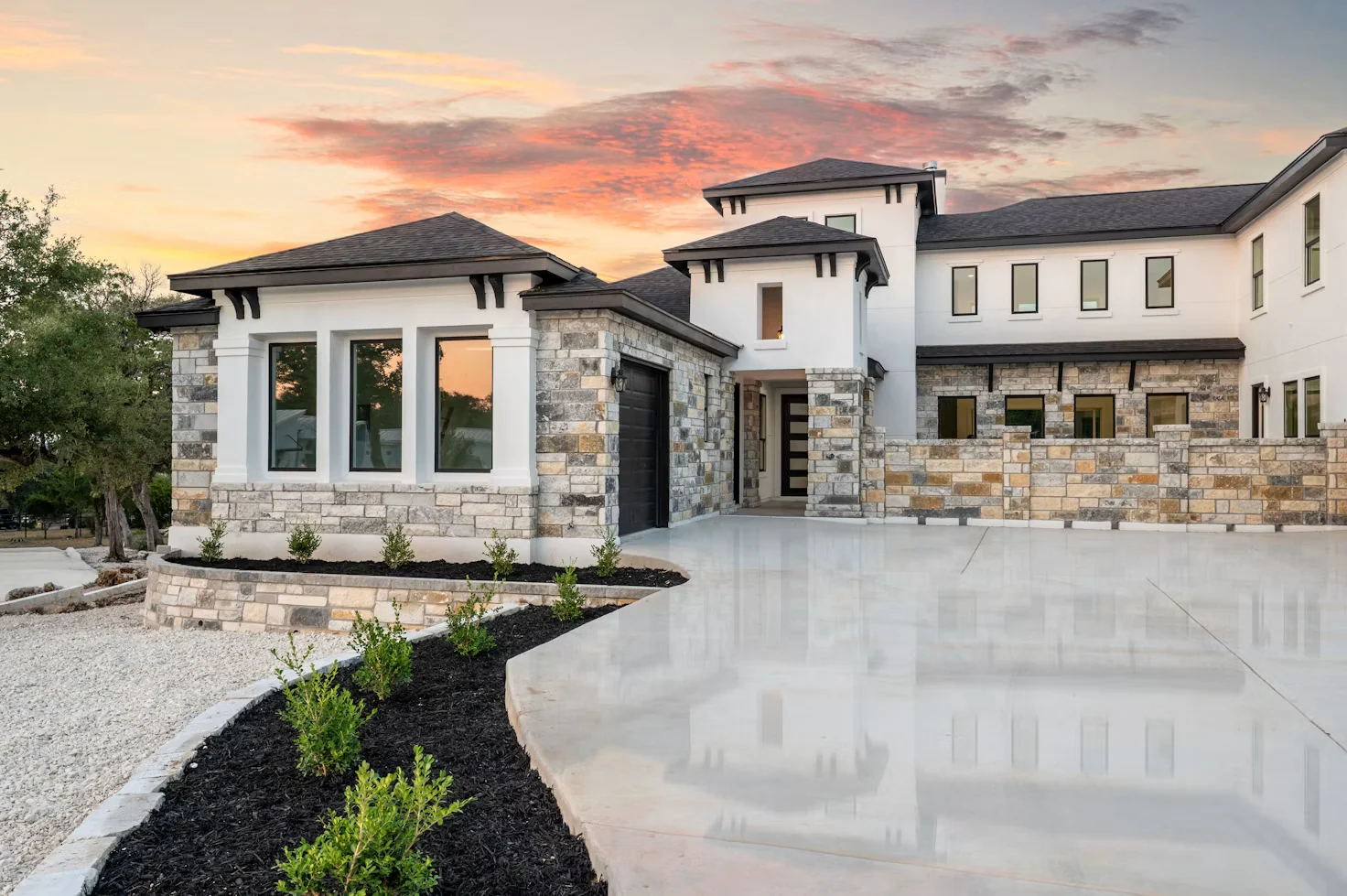
 01
Arrival
Stone, glazing and evening light establish material character before the interiors appear.
Architectural sequence study · 33 sec
Luxury presentation is useful when it knows what not to do. This example is read as an editorial sequence: each source image contributes a different type of information, so the motion plan does not need to repeat one digital camera move from room to room.
Read the luxury-property workflow →Storyboard
Rather than treating every source as another generic “room shot,” the sequence moves through arrival, scale, privacy, finish, material and circulation.
01Stone, glazing and evening light establish material character before the interiors appear.
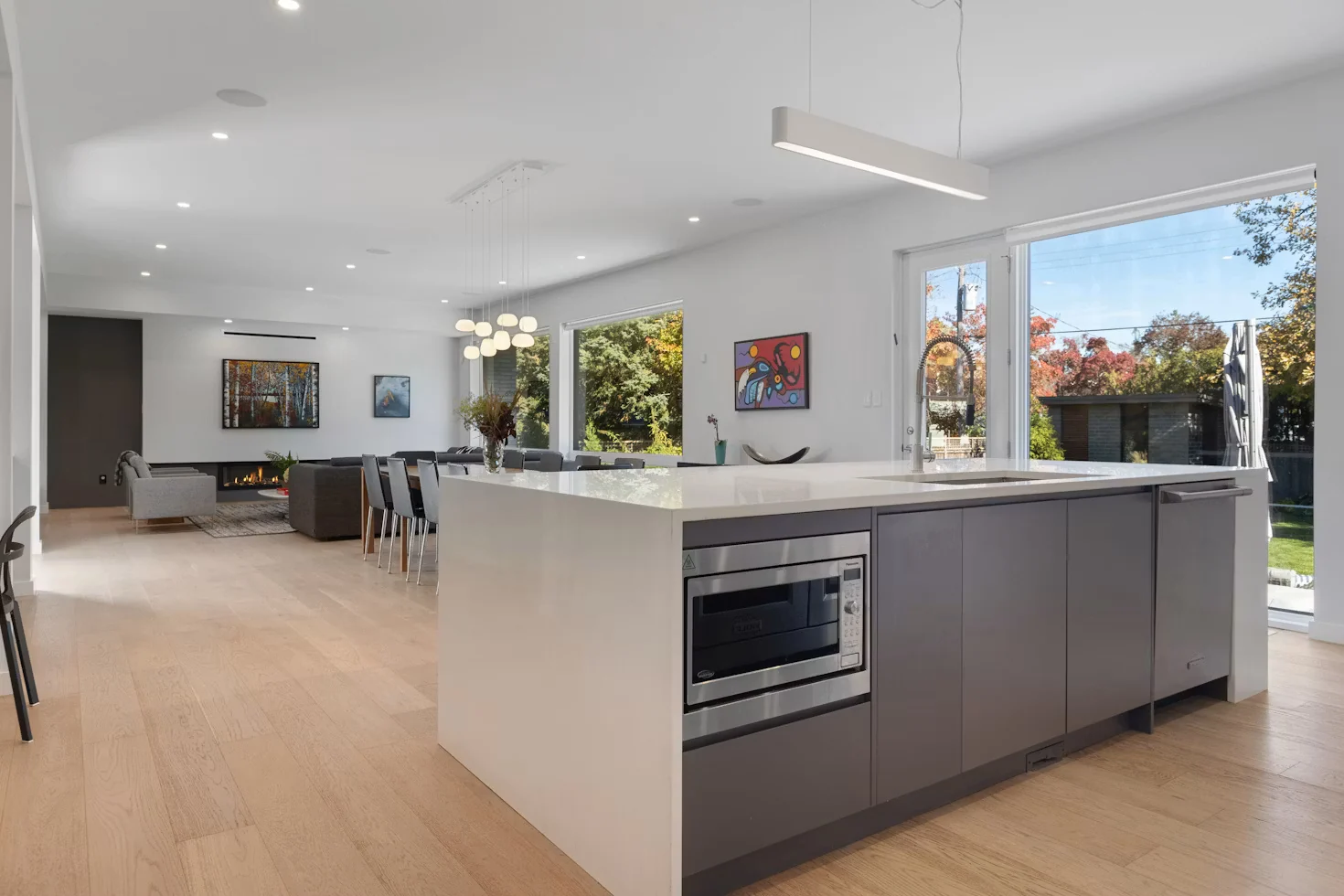 02
The open plan frame explains scale through the relationship between kitchen, dining and lounge zones.
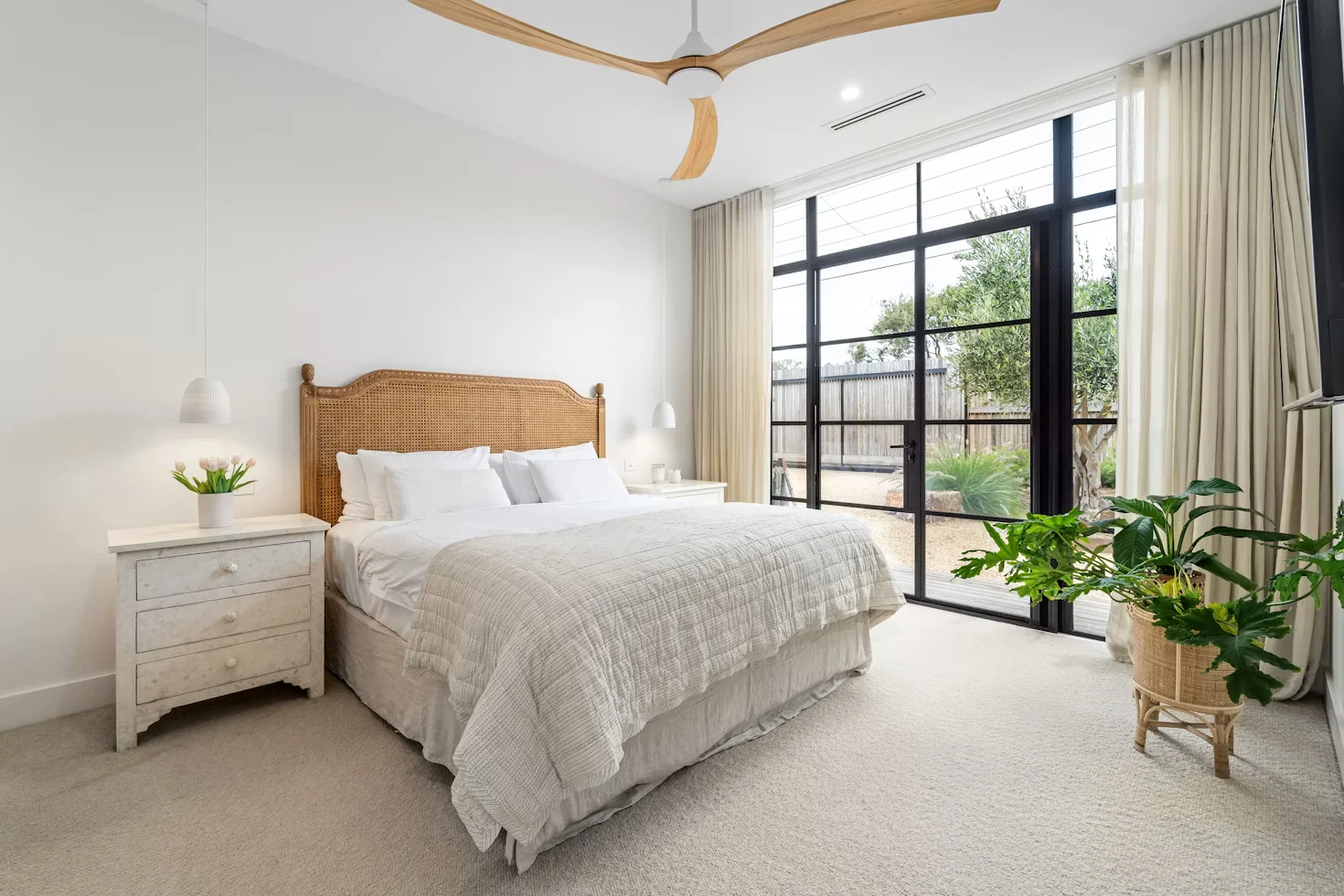 03
Dark window frames and soft furnishing contrast create a quieter visual beat.
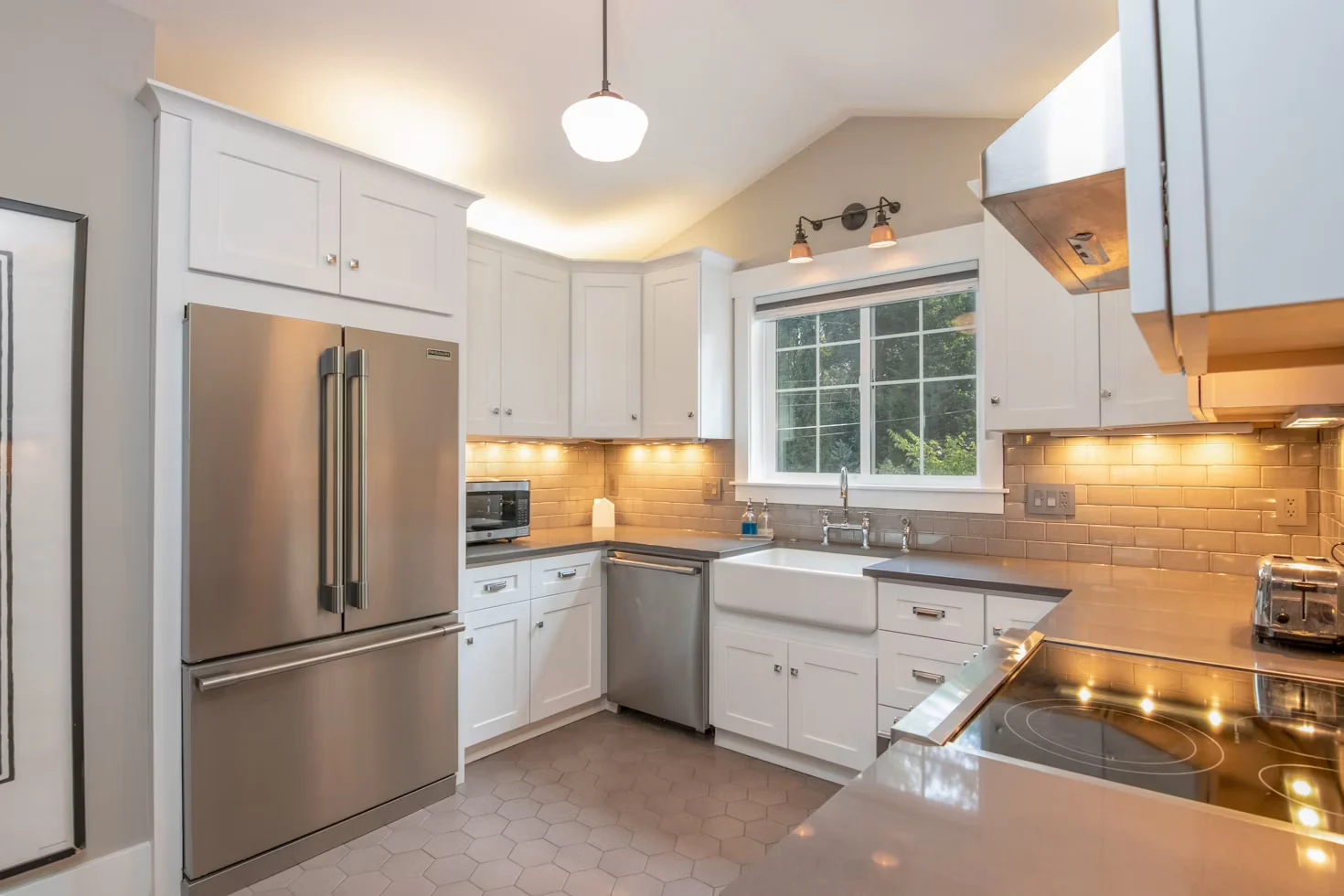 04
Cabinet rhythm, island proportions and clean lines make restraint more useful than aggressive movement.
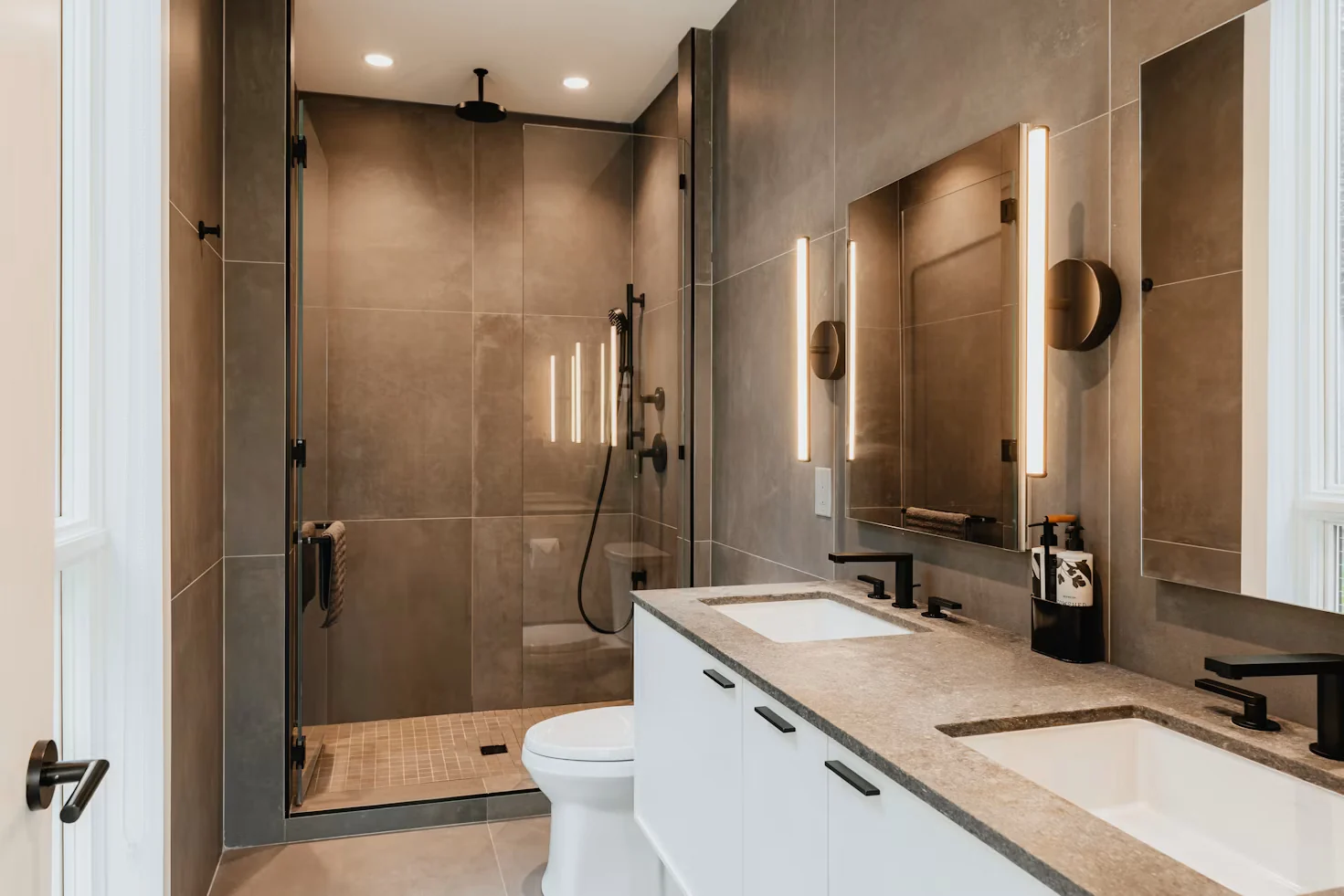 05
The bathroom shifts attention from room scale to surfaces, symmetry and paired fixtures.
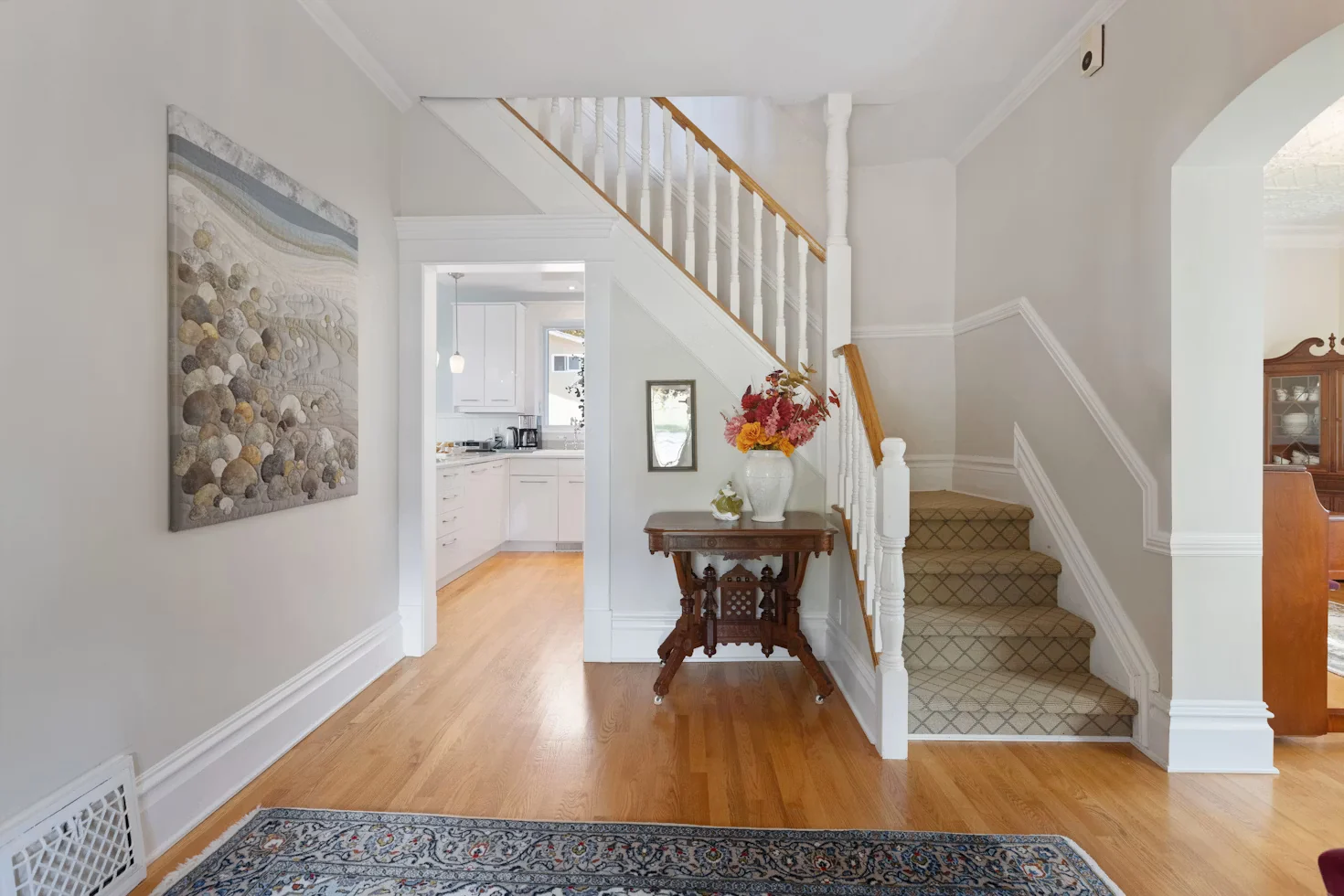 06
The stair hall closes with height and circulation rather than repeating another wide living space.
Editorial restraint
Premium presentation benefits from preserving the photograph’s strongest line. Movement should reveal hierarchy, not compete with architecture.
A facade, a long kitchen, a bedroom and a staircase do not ask for the same camera idea. Scene-specific planning matters most when the photographs have different visual jobs.
Alternating scale, brightness and room function creates rhythm without relying on rapid cuts or decorative transitions.
How AbodeVid approaches the input
During generation, AbodeVid evaluates each source image as an individual scene and chooses a movement approach intended to suit that frame. The goal is not to simulate a camera crew that was physically present; it is to make better use of existing still photography by avoiding one identical motion pattern across the entire listing.