
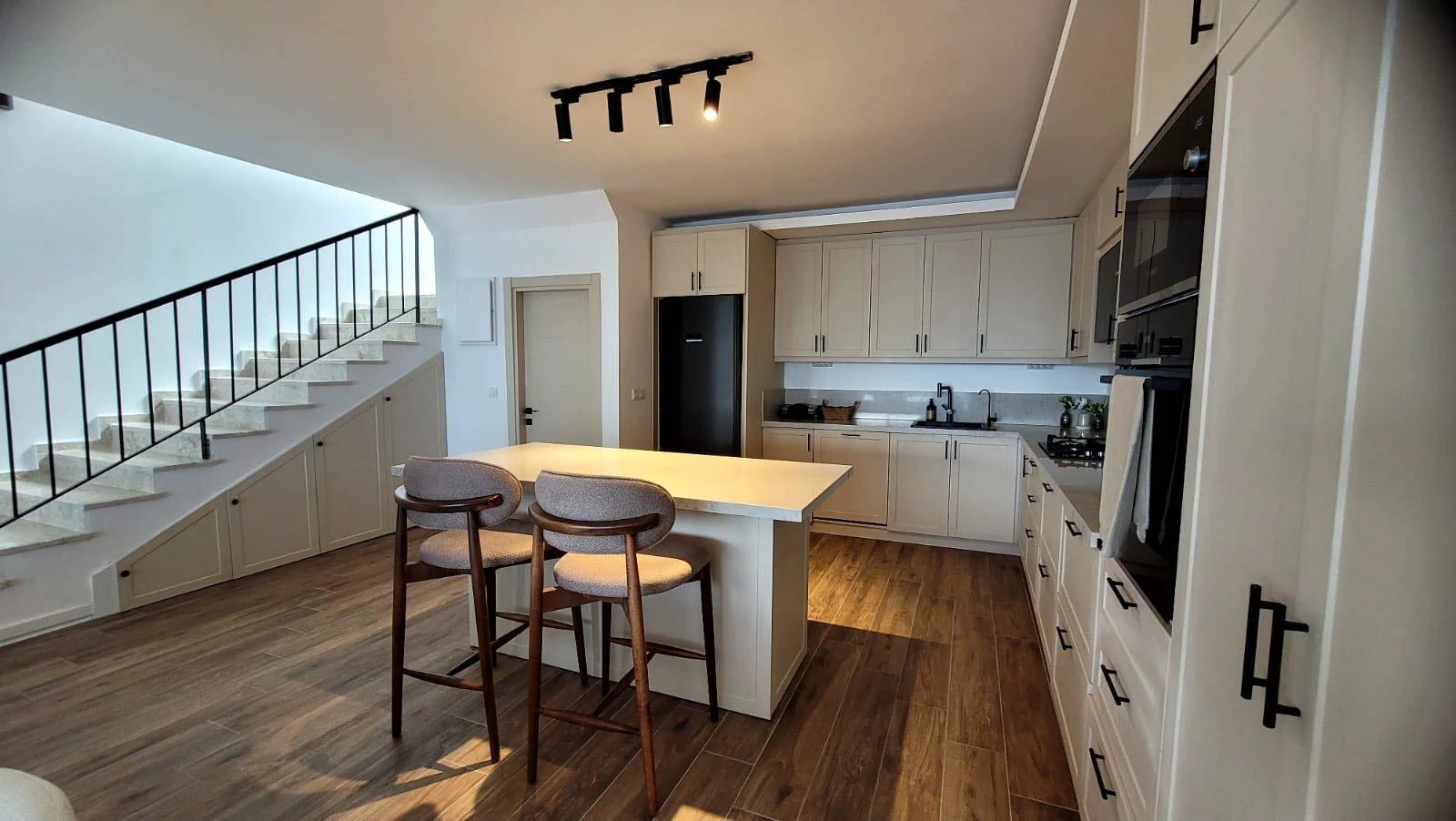
Frame 1
A broad interior where the portrait crop has to decide which architectural lines remain dominant.
Two frames · one portrait canvas
This example isolates a simple question: when a wide listing photograph becomes a tall video frame, which parts of the scene deserve to stay visually dominant?
Source-frame inspection
The useful comparison is not whether 9:16 is “better.” It is whether the important visual idea survives the narrower field of view.
A broad interior where the portrait crop has to decide which architectural lines remain dominant.
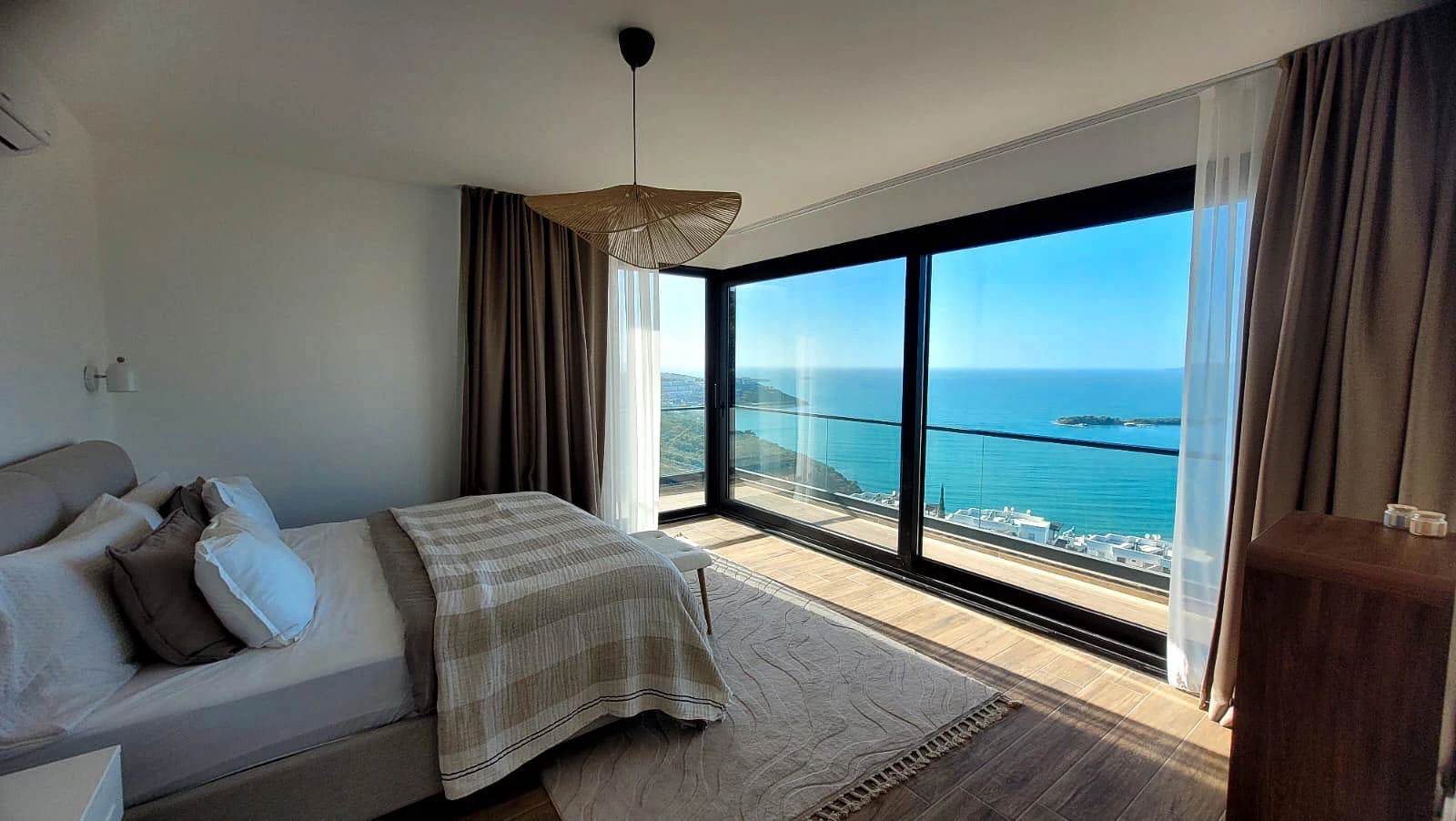
A room-and-view composition where the window and horizon compete for limited portrait width.
Watch with intent
What this sample proves
The two scenes provide visible evidence that wide source material can be presented inside a portrait video while still keeping a chosen room feature readable.
What it does not prove
It does not establish ideal duration, buyer engagement or campaign performance. Those are separate questions and should not be inferred from this short visual reference.
Composition FAQ
It is a compact composition study. The page is meant to show how two wide listing photographs behave when the viewing canvas becomes tall and narrow, rather than to represent a complete property tour.
The two images create very different framing problems: one is an interior with strong horizontal lines, while the other depends on preserving both a bedroom and an exterior view. That contrast makes the portrait decision easier to inspect.
Watch the edges of the frame, the position of the main room feature and the point your eye follows during motion. Those details reveal whether a vertical treatment still communicates the original photograph clearly.
No. Platform strategy is covered elsewhere. This page stays focused on visual composition inside a 9:16 frame.
No. A short clip can introduce a property or a specific feature, but a buyer who needs broader context still benefits from a longer sequence, a property page or other listing information.
Yes. The related Lab example shows the same modern-home material in landscape, portrait and square formats so the framing differences can be inspected side by side.
Open the sample library to compare longer videos, before-and-after evidence and other canvas shapes.