
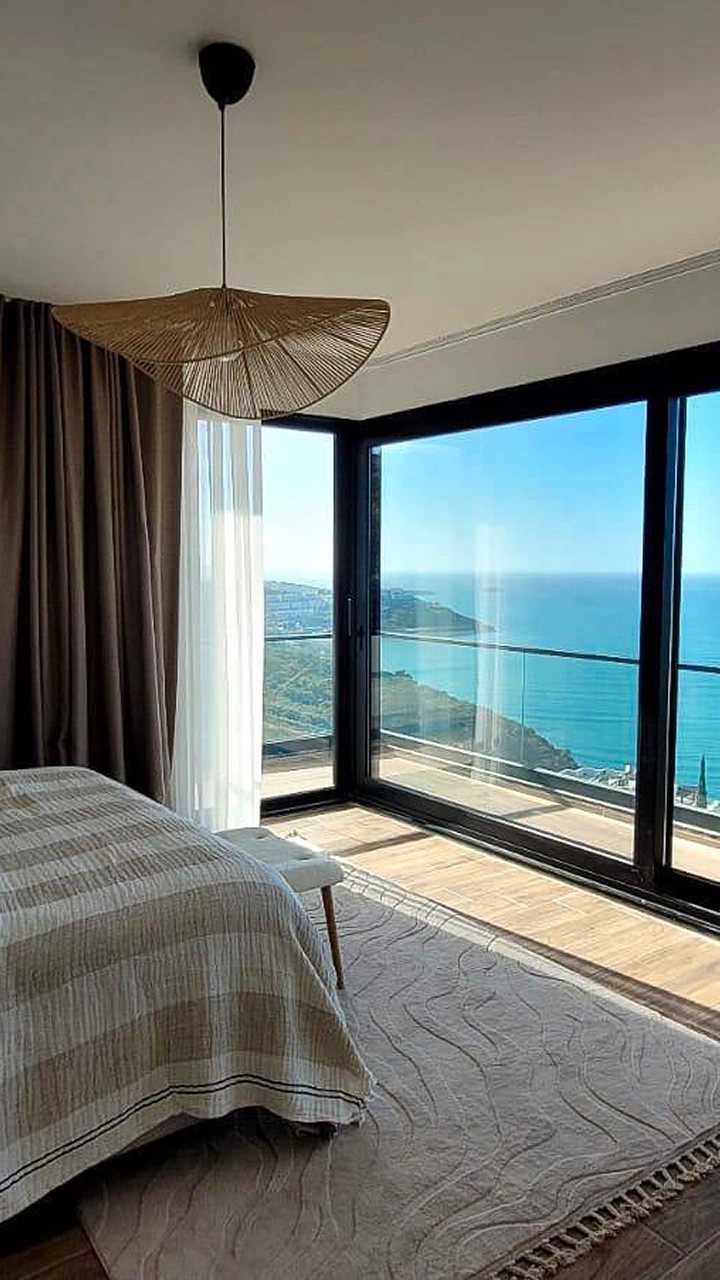
9:16 vertical listing video
A vertical property-video example that prioritises phone viewing and a short listing sequence.
TikTok Property Video Guide
Turn approved listing photos into a vertical property story that earns attention quickly, shows a real selling feature and gives interested viewers a clear next step.
AI-generated camera motion from listing photos
A TikTok property video competes inside a discovery feed, so the opening should make the property understandable immediately. Use a strong exterior, view, pool, kitchen, terrace or another real feature that deserves the first seconds.
Do not confuse a hook with exaggeration. The first frame should be interesting because the property is interesting, not because the creative makes a claim the listing cannot support.
A vertical 9:16 composition has less horizontal room than the source photography. Prioritise frames whose important architecture survives the crop and avoid forcing every wide room image into the sequence.
Move from the opening feature into a small number of connected spaces. The goal is to create curiosity and orientation, not to reproduce every portal photo in video form.
Short-form video is easier to scan when the frame is not overloaded with specifications. Use only information that helps the viewer understand the listing and confirm that every visible claim still matches the live property details.
If the price, availability or offer terms may change, let the current listing page carry those details instead of baking stale information into a reusable social asset.
A TikTok video can introduce the property, but interested viewers still need somewhere to verify facts, see more photos and contact the agent. Plan that destination before publishing the short-form asset.
The same approved property material can then support the listing page, brochure and follow-up content without creating a second, conflicting version of the property story.
The 9:16 file can also be useful for other vertical placements, but do not assume the surrounding context is identical. A TikTok caption, an Instagram Reel and a YouTube Short can serve different audience behaviour even when they share the same property video.
Reuse the visual asset when it makes sense, then adapt the surrounding copy and destination to the channel instead of publishing an identical campaign everywhere.
Use the 9:16 vertical AbodeVid output for a mobile-first property video. The paid listing also includes 16:9 and 1:1 versions for other placements.
Not necessarily. A short discovery asset should prioritise the features and connected spaces that make the listing understandable and worth exploring further.
The vertical file can be reused where it fits, but the surrounding copy, title and buyer destination should be adapted to the channel rather than treated as identical.
Yes. Review every scene against the source photo and remove or correct anything that could misrepresent the property.