
Scene identity
The output should still read as the same photographed room, not as a different interpretation of the property.
Source-to-output review
This 30-second sample is presented as evidence, not as a platform recommendation. The goal is to compare the generated scenes with the photographs that existed before the video.
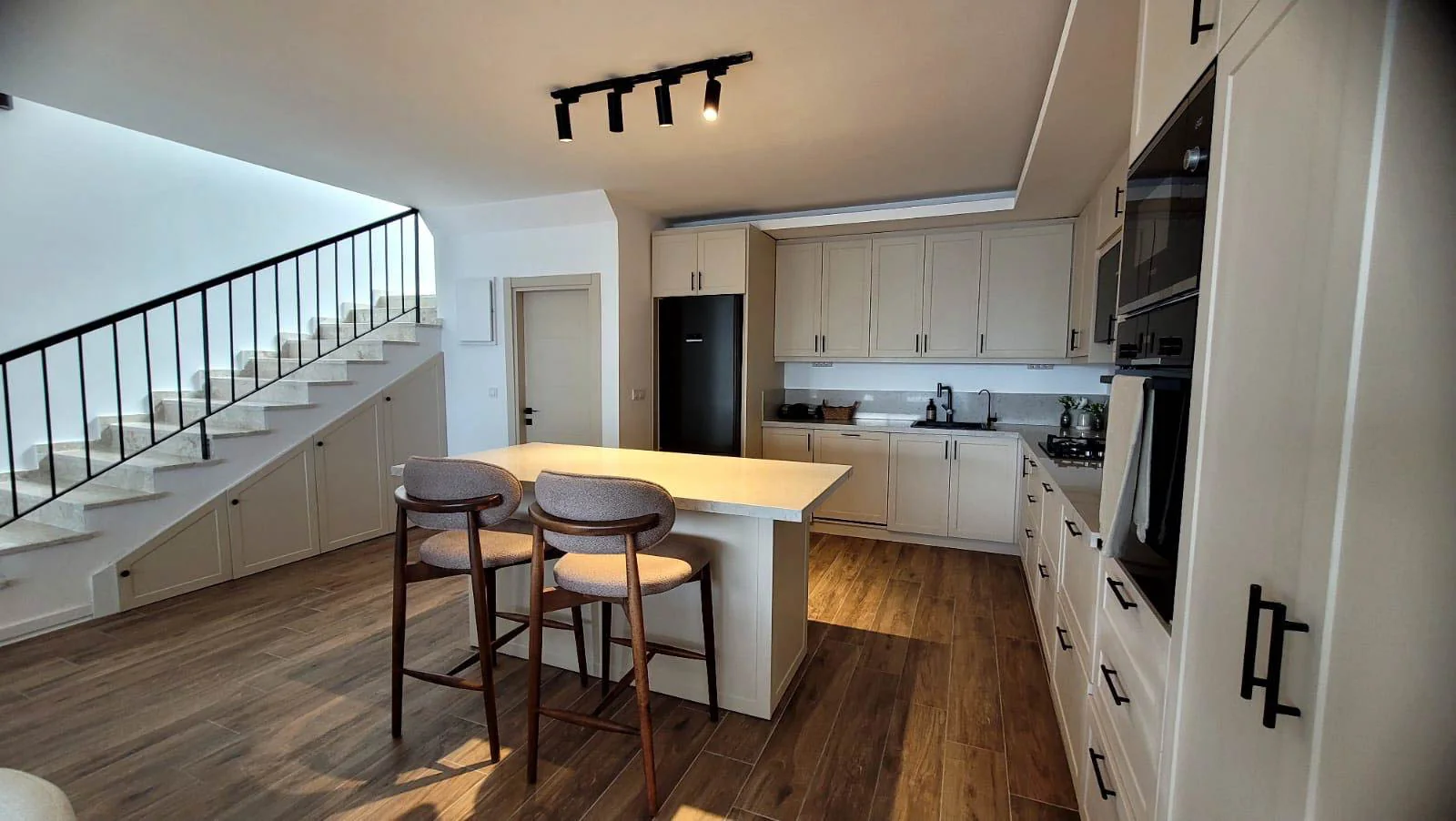
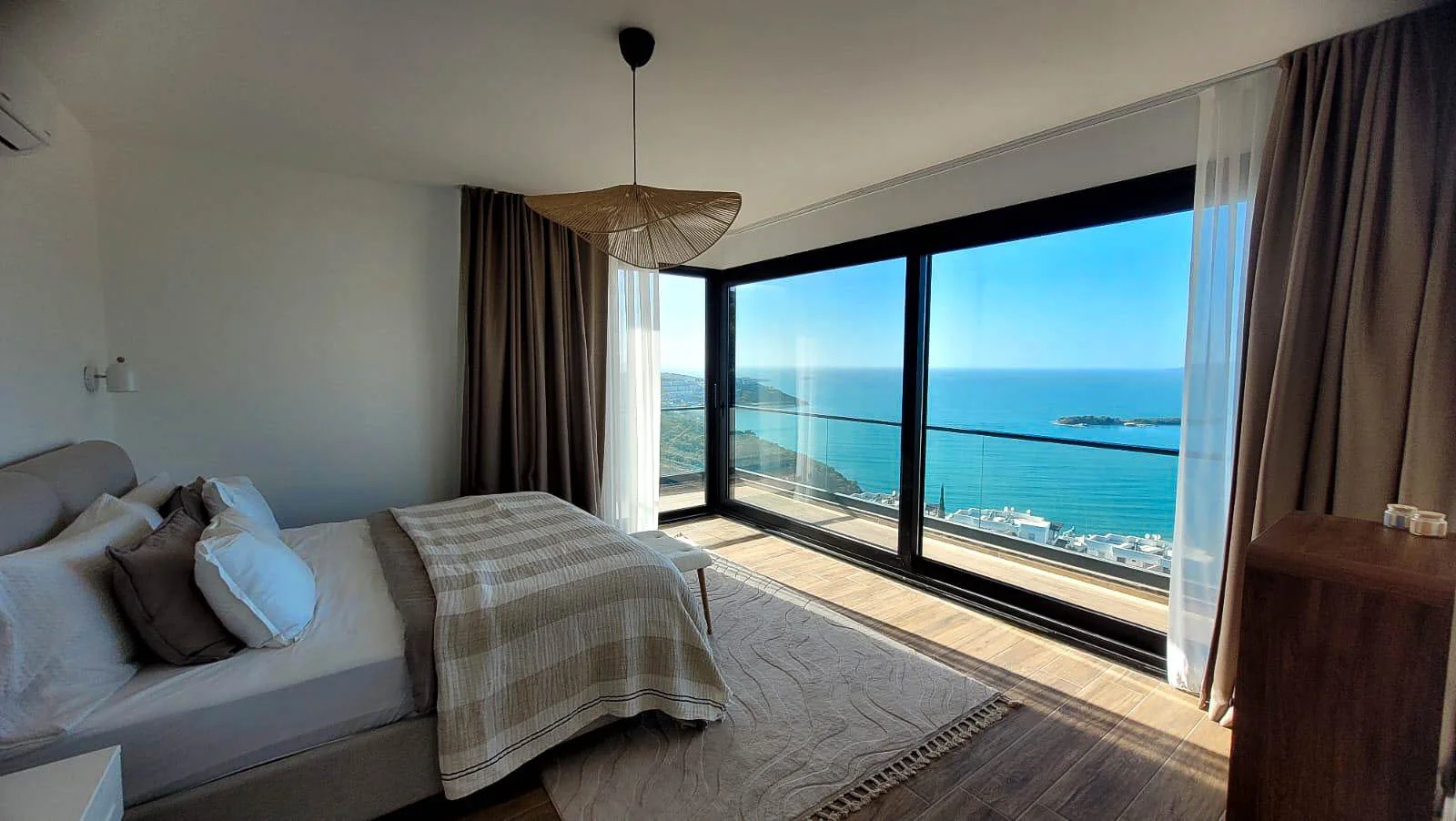
Verification framework
A real-estate video is not judged only by smoothness. Each scene also needs to survive a factual comparison with its source material.
The output should still read as the same photographed room, not as a different interpretation of the property.
A portrait crop can remove side information; the audit asks whether what disappears was essential to understanding the source.
Doorways, counters, window frames and major lines are checked for visual continuity while motion is applied.
The video itself should not invent a feature that the original photograph does not support.
Decision rule
Vertical framing inevitably removes some width from a landscape photograph. The relevant question is whether the removed area was secondary or whether it contained a feature the viewer needed in order to understand the room.
If the frame changes the perceived layout, hides the selling point or makes a fixed feature look materially different, the scene should be adjusted rather than approved because it looks cinematic.
Audit FAQ
Because the page pairs original listing photographs with a finished 30-second portrait output. The useful task is comparison: inspect what stayed recognisable, what was cropped and whether the resulting scene still represents the source.
The short example studies composition. This page studies verification. It asks whether a longer generated result can be checked against source photographs before publication.
Start with permanent property features. Confirm that openings, cabinetry, walls, windows and other fixed elements remain consistent with the listing photographs.
Judge the crop by information loss, not by whether it looks dramatic. If a crop removes the feature that justified choosing the photograph, the frame should be reconsidered.
No. Property marketing also requires factual fidelity. A scene can look polished and still be unsuitable if it creates a misleading impression of scale, layout or features.
The related 16:9 before-and-after sample uses the same evidence concept on a wider canvas and is useful for checking how much context returns when the frame expands.