The exact six-photo source set behind one finished property video
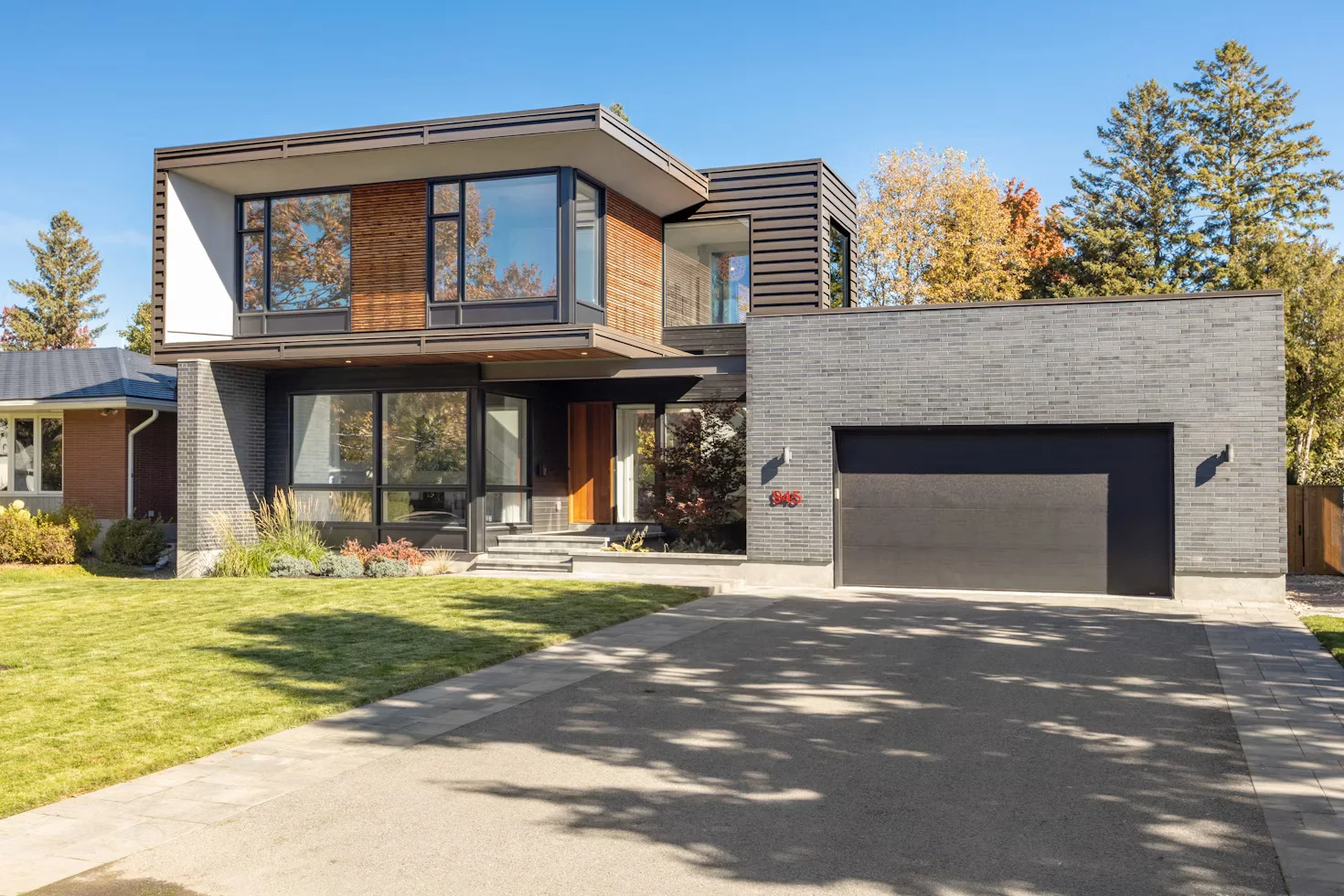
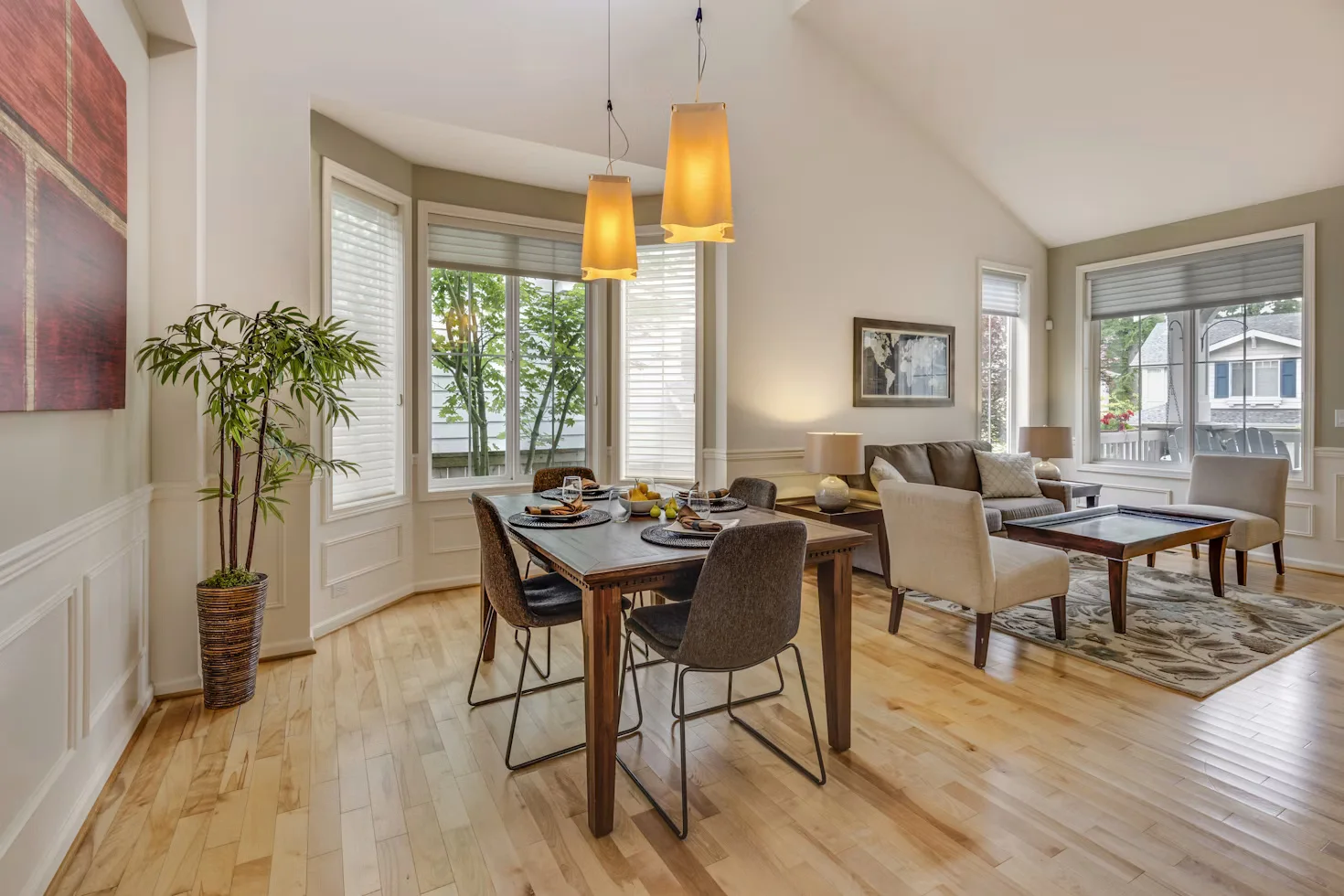
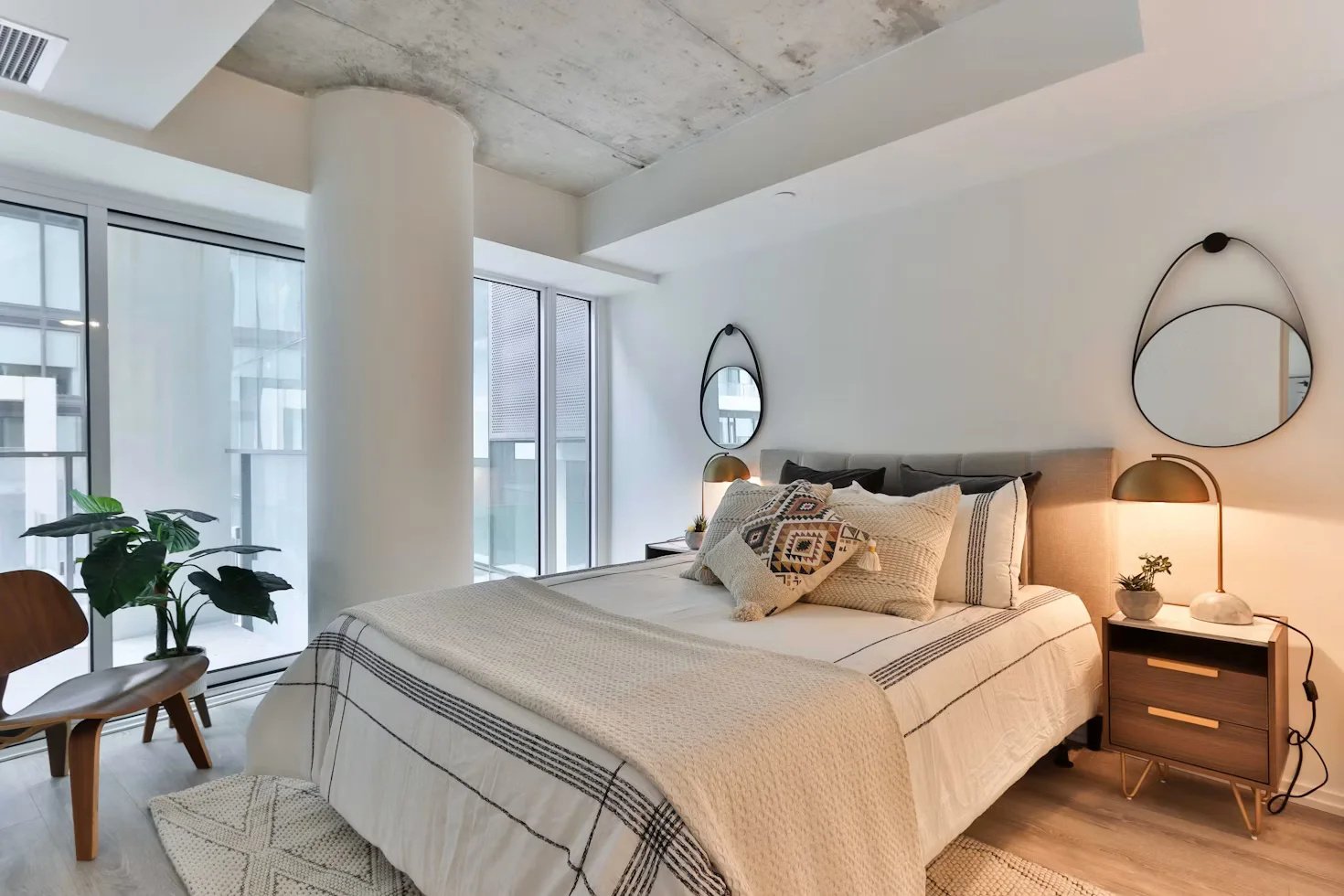
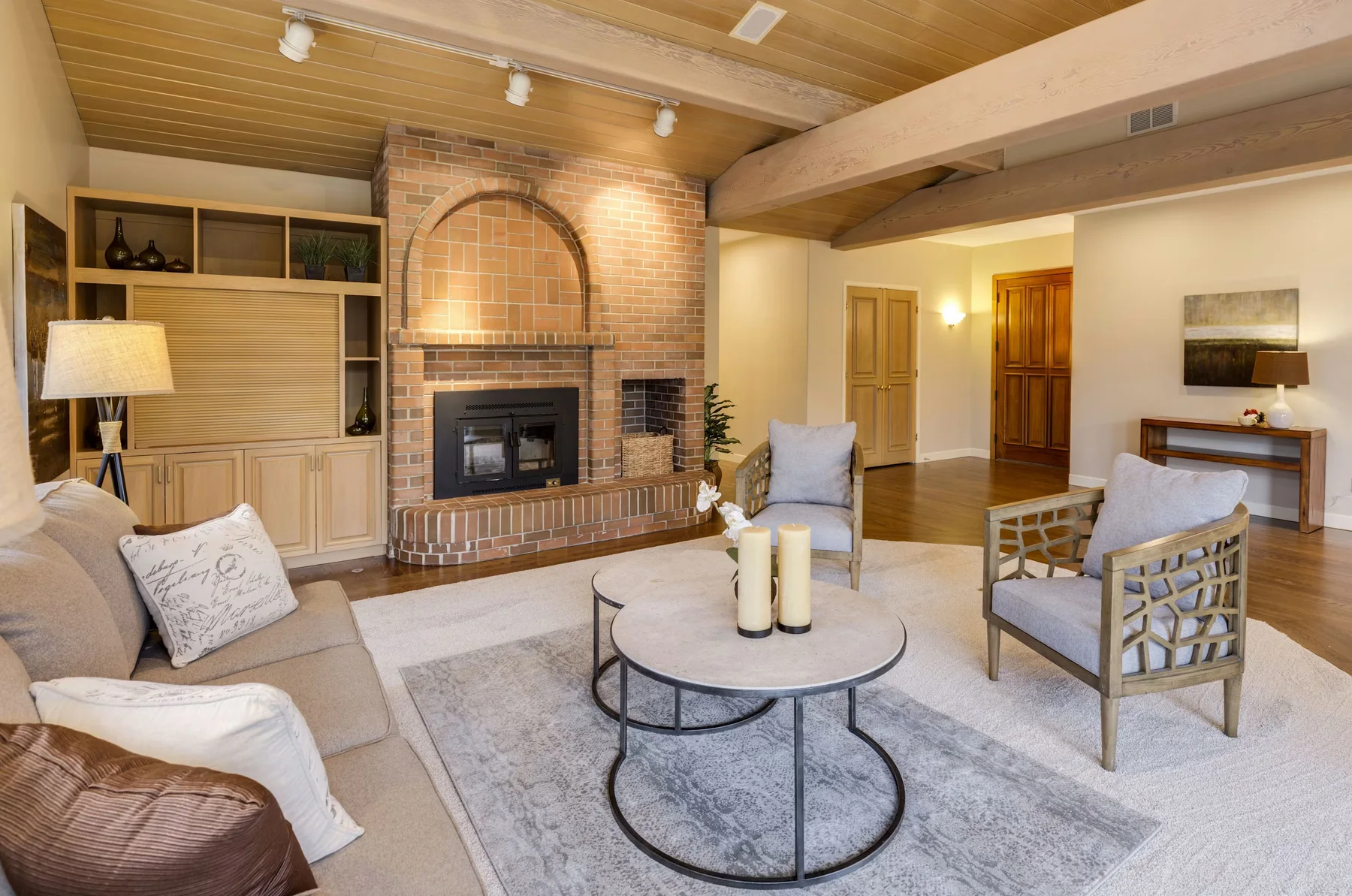
This evidence set is intentionally simple: six original listing photographs are shown in their real production order, followed by the clean 16:9 video generated from that same sequence. The purpose is traceability—not a performance claim.
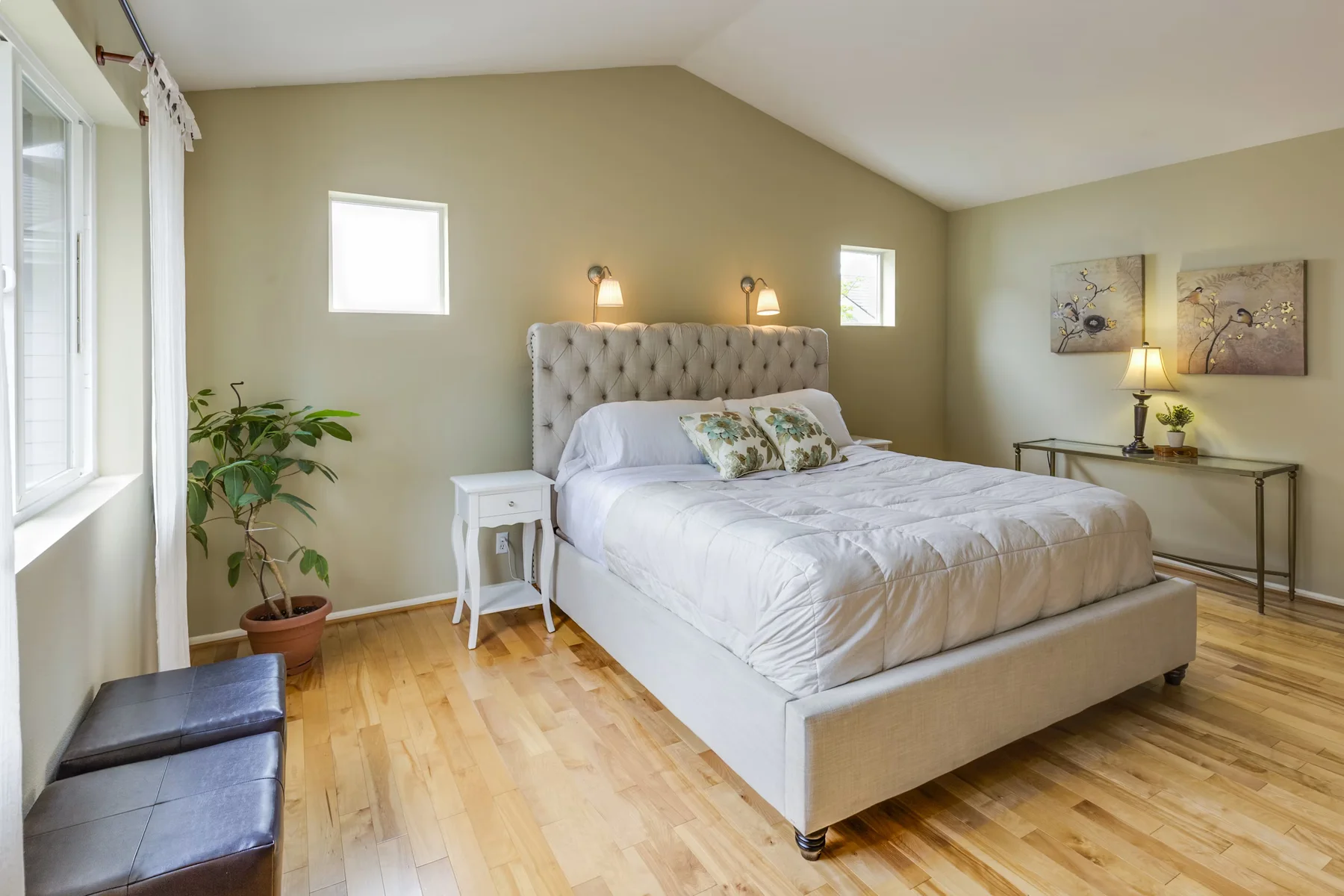
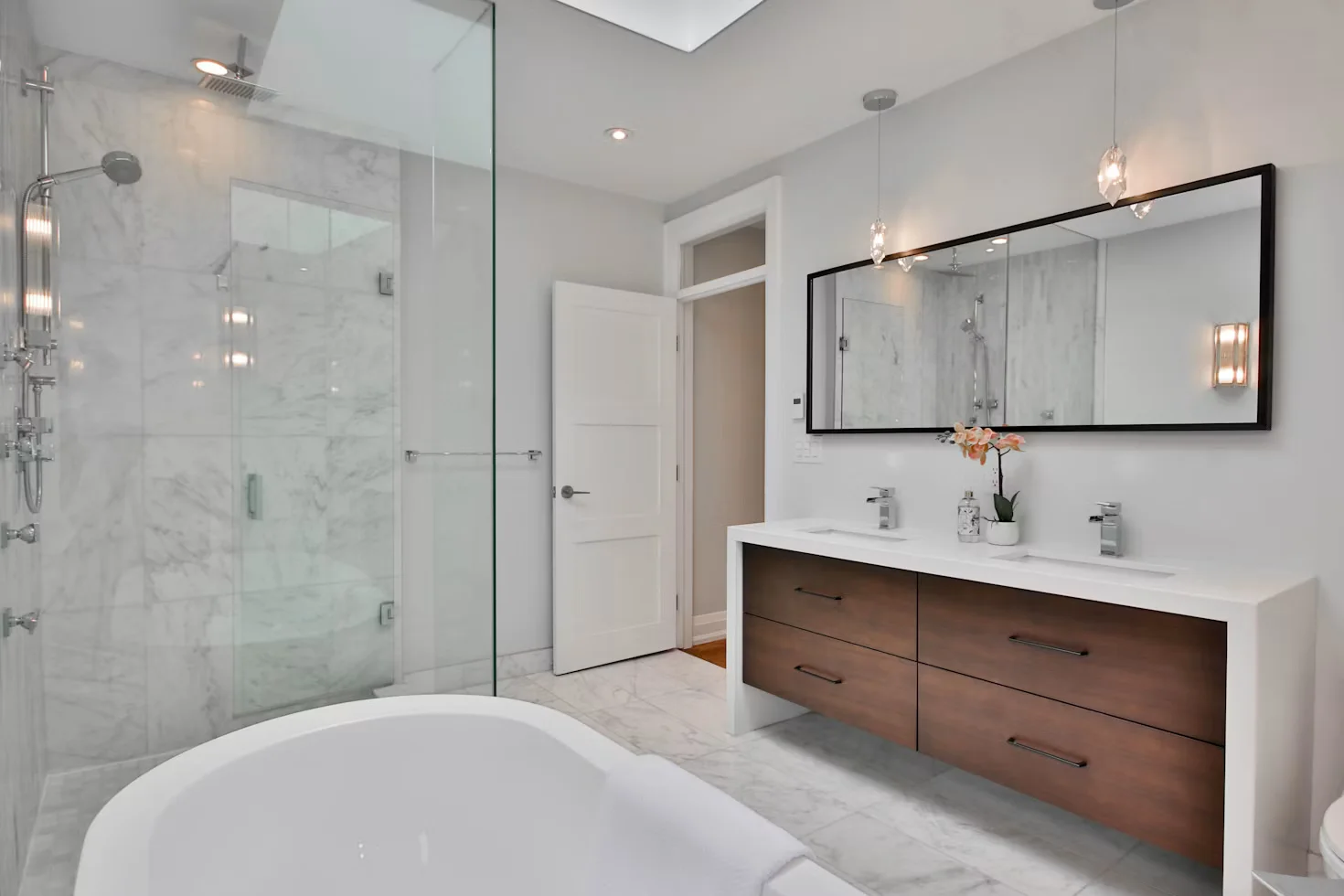
The photographs below are not look-alike examples selected after the video was finished. They are the six source files for this render, kept in the same 01–06 order used by the property-video sequence.
01 · ExteriorThe opening frame establishes facade, entry, driveway and garage relationship.02 · Dining / livingA deeper interior frame introduces dining foreground and a connected sitting area.03 · BedroomThe bed, glazing and structural column create a tighter geometry than the previous room.04 · Fireplace living roomThe fireplace becomes the central architectural anchor inside a wider seating composition.05 · Second bedroomA simpler room uses bed placement, side windows and floor area to communicate scale.06 · BathroomGlass, vanity, mirror and tub edges create a detail-heavy closing frame.
The corresponding clean 16:9 output
The player below is the uncustomized landscape render for the same six-photo sequence: 1920 × 1080, 30 fps and approximately 30.2 seconds. It is shown before agent branding, price, location or other client-facing overlays are burned into the delivery version.
What this proves: the source files and finished clean output belong to the same six-scene sequence. What it does not prove: lead generation, watch time, ranking, buyer preference or any other campaign outcome.
Why provenance is more useful than a polished sample alone
A finished marketing video can look convincing while revealing very little about how closely it relates to the approved listing photography. A visible source set changes the review question: the viewer can check whether each finished scene remains recognisable as the property image that entered the workflow.
This page deliberately stops there. Movement behaviour is examined separately in the scene-specific motion study, while framing across 16:9, 9:16 and 1:1 is isolated in the three-format study.